Private house construction budget: from the BOQ to a budget you can follow
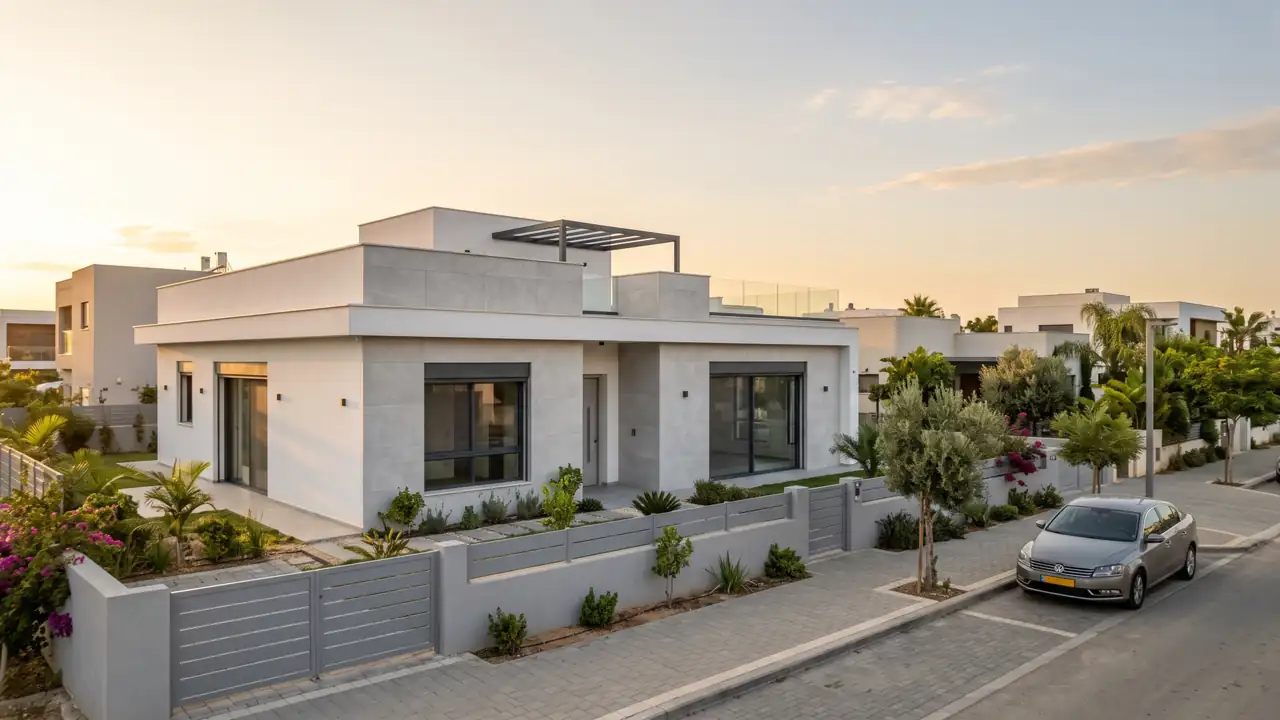
A private house construction budget built only from a price per m² looks tidy until the contractors' quotes arrive. A budget built on quantities shows exactly what each line pays for, and you can follow it all the way through construction. This page explains how the budget is built, what a budget planner or a quantity surveyor does at each stage, and what it costs.
Why a private house construction budget starts from quantities
A price per m² is a good starting point for the question of whether the house fits your budget at all. But it hides what changes the cost of a private house: a basement and retaining walls, the amount of aluminium, the finishes you chose, the external works in the yard and the utility connections. Two houses of the same area can end up with very different budgets.
When the budget rests on quantities, every line is tied to a defined piece of work: how many m² of flooring, how many m³ of concrete, how many openings. The assumptions are written next to the numbers, and whatever is not designed yet is marked as missing, not entered as zero. That way you see in advance where the budget may move, instead of finding out halfway through construction.
Budget planner, quantity surveyor, or both
People building a house in Israel often look for a "taktzivai" (תקציבאי), a budget planner: someone who builds the budget and helps follow it. A quantity surveyor prepares the basis the budget rests on: the quantities and the bill of quantities (BOQ) that the contractors price. A quantity surveyor can be an engineer or a registered building technician, like Yaakov Avital.
In my work the budget is built from the BOQ: the same items and the same units, and later the unit rates from the quote you chose. That way the budget, the contract with the contractor and the payments all speak the same language. Site supervision and design are not part of this role; the differences, and when to bring a quantity surveyor in, are covered on the quantity surveyor for homeowners page.
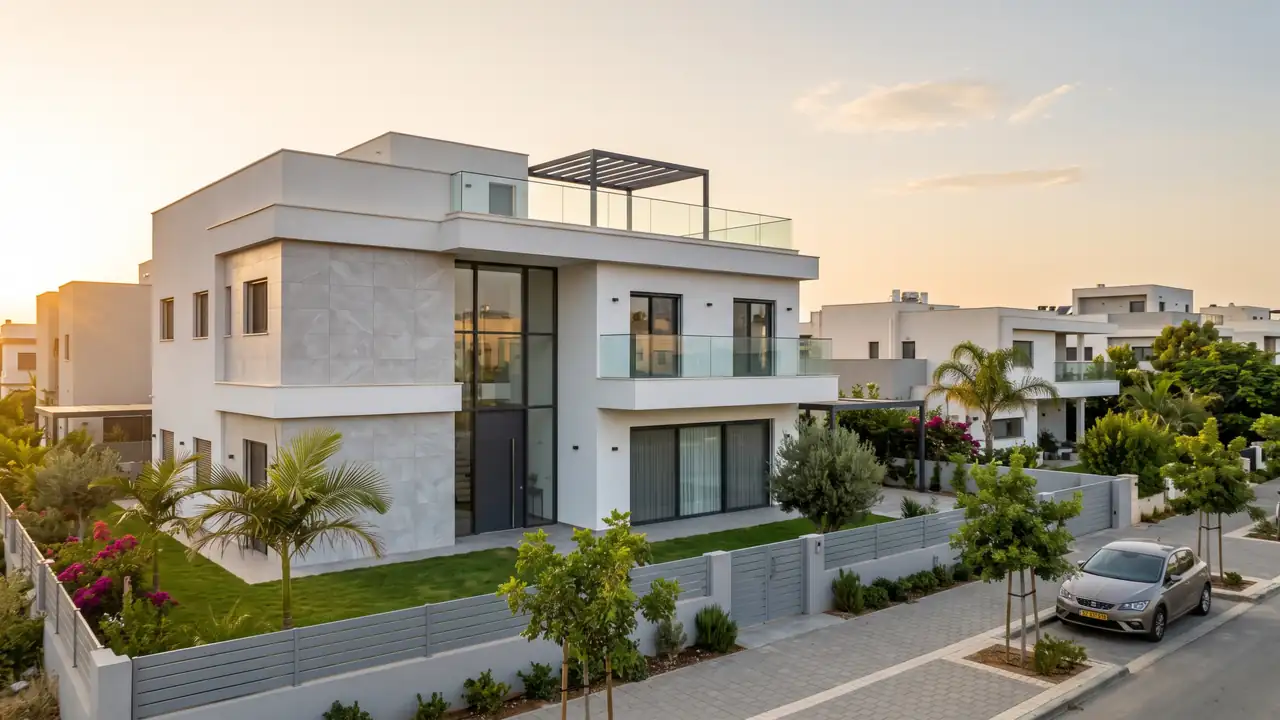
What goes into the budgets of a private house
The construction budget of a private house splits into several budgets, and each one is worth keeping on its own lines:
- The contractor's works: structure, building works, finishes and external works, by the items of the BOQ.
- Your own purchases: what you buy yourselves, such as sanitary ware, the kitchen or the flooring, if they are not in the contractor's quote.
- Building services: electrical, plumbing and air conditioning, from the consultants' drawings or from separate quotes.
- Costs outside the construction works: design, consultants, fees and connections, on separate lines so that they are not swallowed up.
- Contingencies: a separate, visible line, not a hidden addition inside the items.
That way you see where every shekel goes, and which part of the budget is already covered by signed quotes and which part is still open. An area that has no drawing yet, such as the external works, stays in the budget as a line marked for completion.
From estimate to budget: when the number settles
At the design stage you can prepare a construction cost estimate: an assessment based on the quantities and on written price assumptions. An estimate is not a commitment to market prices. The real price comes from contractors' quotes, so the budget settles only after the quotes are compared on the same basis.
When all the contractors price the same BOQ for a private house, the comparison is made line by line, and the chosen quote becomes the basis of the budget: the same items, with agreed unit rates.
Budget control during construction
A budget nobody follows is just a document. During construction you record what was done, how much was paid and what is left, by the items of the BOQ. The contractor's interim account is checked against the quantities actually built, and every variation is priced by the unit rate and recorded before it is carried out.
The approved budget, the work done to date and the forecast to completion. When the forecast passes the budget in a chapter, you see it in time, not at the end of the job.
What it costs
For illustration only: a BOQ for a private house of up to 150 m², with the structure and the external works, costs ₪3,500. A villa of about 300 m² with the structure and the external works: ₪7,000. Checks and changes during construction are charged by the hour, ₪450 an hour, or as set in the quote. All prices exclude VAT and are for orientation only; the price for each house is set in a separate written quote. Ranges by size and type are in the illustrative calculator.
Frequently asked questions
What does a budget planner cost for a private house?
When the budget is built from a BOQ, the cost is mainly the price of the BOQ: for a house of up to 150 m² with the structure and the external works, ₪3,500 excluding VAT, for illustration. Checks during construction are charged by the hour. The price for each house is set in a written quote.
Is a price per m² not enough for a budget?
It is enough for a first check of whether the house is feasible. A budget you can sign against and follow needs quantities, written assumptions and contractors' quotes on the same BOQ.
What is the difference between an estimate and a private house construction budget?
An estimate is an assessment made before there are quotes, from quantities and assumptions. The budget is set after a quote is chosen, and from then on it is followed by the items of the BOQ.
When should I start?
Once there are permit drawings and a specification, or at least a list of the materials you chose, and before you ask contractors for quotes. If the design is still changing substantially, you can start with an estimate and update it later.
Have a project? Tell me briefly what the project is and what already exists. When the project is a good fit, I usually reply with focused questions and a written quote.
Contact me for a quote* Created with AI for marketing, for illustration only. Not reviewed by Yaakov Avital and not professional advice. Every project must be checked on its own by a professional quantity surveyor and an engineer.