BOQ for a private house: comparing contractors' bids on the same basis
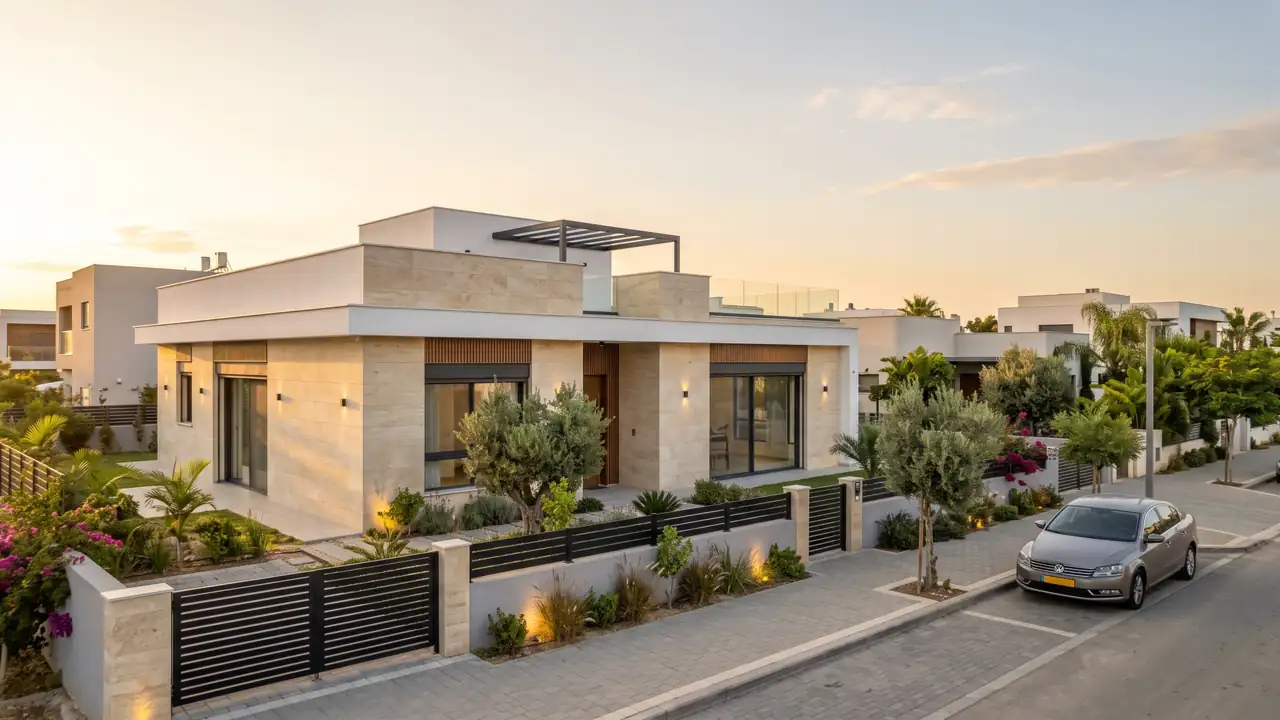
A BOQ for a private house gives you a way to get bids for exactly the same work from several contractors and to compare them line by line. Without a bill of quantities (BOQ), each contractor reads the drawings in their own way, and the bids that reach you cannot really be compared.
A lump-sum bid versus a bid on a BOQ
In a lump-sum bid the contractor gives one price for the whole house. It is convenient, but it is hard to know exactly what that price includes: whether the waterproofing covers the balconies, which flooring was allowed for and whether the external works are in. When two bids are very far apart, it is not clear whether one contractor is expensive or the other simply left something out.
In a bid on the BOQ, all the contractors price the same items, in the same units and the same quantities. The differences between the bids are in the unit rates, and there you can see them, ask about them and negotiate on the merits.
What a BOQ for a private house includes
The BOQ is made up of the same chapters as for a larger building, on a smaller scale:
- Structural frame: earthworks, foundations, concrete walls and slabs, and sometimes piles.
- Building works: walls and partitions, waterproofing of roofs, the basement and wet rooms, joinery and metalwork, aluminium windows and doors.
- Finishes: plaster, flooring and wall tiling, paint, stone cladding if there is any, and the number of sanitary fittings.
- External works: the yard, paths, fences and retaining walls.
The electrical and plumbing systems usually come from the consultants, if there are any. You can also order a BOQ for only part of the work, for example just the finishes chapters, when the structural frame contractor has already been chosen. In a house with a basement or with high retaining walls, the structural frame and waterproofing chapters take up a larger part of the BOQ, and there the level of detail matters most.
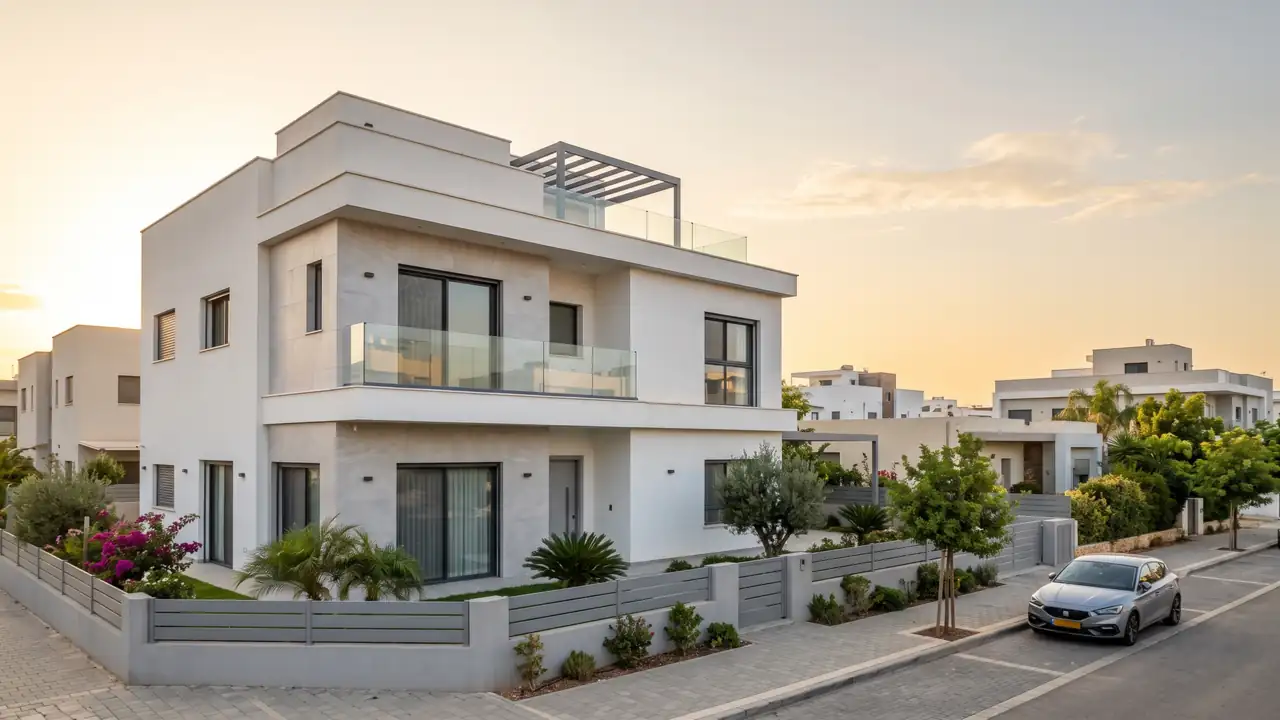
How to use the BOQ to compare bids
- Send the same file to several contractors, and ask them to fill in prices in the file itself without changing descriptions, units or quantities.
- Set the bids side by side, line against line.
- Look for lines that were not priced, unit rates that are unusually high or low, and notes the contractor added.
- Ask each contractor in writing about their gaps before you choose.
A very low price on one item is not always a bargain. Sometimes it is a sign that the contractor understood the description differently, and that the gap will come back to you as an extra during construction.
An illustrative example: what you see when comparing three bids
The following table is fictitious. It shows the kind of findings that come up when you set out three bids on the same BOQ, even before looking at the total.
| Item | Contractor A | Contractor B | Contractor C |
|---|---|---|---|
| Roof waterproofing | Priced | Priced, with a note that protection of the waterproofing is not included | Priced |
| Flooring in the rooms | Priced | Priced | Unusually low unit rate, needs clarifying |
| Retaining wall in the yard | Not priced | Priced | Priced |
| Paths in the yard | Priced | Not priced | Priced |
Each line like this is a question worth asking before signing. Ask every contractor for a price for every item, and set in the agreement how an unpriced item is treated, so that it is not priced only later, when there are no longer competing bids to compare it with.
Changes during construction
In a private house, changes are almost unavoidable: you change the flooring, add a wall, enlarge a window. When there is a BOQ with agreed unit rates, every change has a reference point. When the change is in quantity only, it can usually be priced at the unit rate in the BOQ; a change in material or in a detail is priced according to what the agreement says. Without a BOQ, every change becomes a new negotiation. It is worth recording every change in writing, with the item, the quantity and the price, before the contractor carries it out.
How much a BOQ for a private house costs, and what to prepare
According to my price list, this is what a BOQ for a private house costs, with structure, finishes and external works:
| House size | BOQ price |
|---|---|
| Up to 150 m², with structure and external works | ₪3,500 |
| Up to 200 m² | ₪6,000 |
| Up to 350 m², for example a villa of 250 to 300 m² | ₪7,000 |
The prices are excluding VAT and are for orientation only; the price for each house is set in a separate written quote, according to the scope and the material. The full price list, with a calculator by building size, is on the page how much a quantity surveyor costs.
Prepare what already exists: the permit drawings, the architectural and structural drawings, a finishes specification, and consultants' drawings if there are any. There is no need to produce new material especially for the quote. An area that does not yet have enough design is marked in the BOQ as open, so that it does not disappear from the comparison.
Order the BOQ before you ask for bids, not after. A contractor who receives an organised BOQ knows exactly what is being asked, and all the bids that come back to you are built on the same basis.
What a professional quantity surveyor adds here. For a private house the drawings are sometimes partial, so reading them carefully matters. For example, drawings that do not distinguish between concrete and blockwork, interior design drawings that are not yet final, or an external works plan that never arrived. A quantity surveyor who comes from the field, an engineer or a registered building technician like Yaakov Avital, records every such gap and suggests what to ask the designers for, so that the contractors price the same house. Earthworks and foundations should be checked against the soil report and with the structural engineer. More on the professional BOQ page.
For a private house, an organised quantity takeoff helps you compare contractors' bids on the same basis. When the takeoff also records the assumptions, it is easier to spot what each contractor left out of the bid. The BOQ is also the backbone of the budget: the chosen quote becomes a budget by items, and how to follow it during construction is covered on the private house construction budget page.
Frequently asked questions
Who prepares a BOQ for a private house?
A quantity surveyor, in Hebrew a kamai, also called chashav kamuyot. I wrote about the service itself, when to order it and what you get, on the quantity surveyor for homeowners page.
Can a BOQ be prepared for only part of the house?
Yes. For example, only for the finishes chapters, or only for the external works. The BOQ states explicitly what it includes and what it does not, so that the comparison between the bids is fair.
What is the difference between a BOQ for a private house and one for a residential building?
The principles are the same; the difference is in the scope and the level of detail. How a BOQ is built in general is explained on the bill of quantities page.
Can I see a sample before ordering?
Yes. You can download a generic BOQ to fill in, with no quantities, prices or identifying details, and see the structure of the chapters.
Have a project? Tell me briefly what the project is and what already exists. When the project is a good fit, I usually reply with focused questions and a written quote.
Contact me for a quote* Created with AI for marketing, for illustration only. Not reviewed by Yaakov Avital and not professional advice. Every project must be checked on its own by a professional quantity surveyor and an engineer.